Indoor Vs Outdoor Infrared Saunas UK is a useful subject for anyone planning a home wellness space, comparing infrared saunas in London or researching a reliable sauna supplier elsewhere in the UK. Compare indoor and outdoor infrared saunas for UK homes, including weather protection, space, running costs, planning and installation. This guide focuses on practical choices, clear definitions and realistic expectations.
Start with the setting
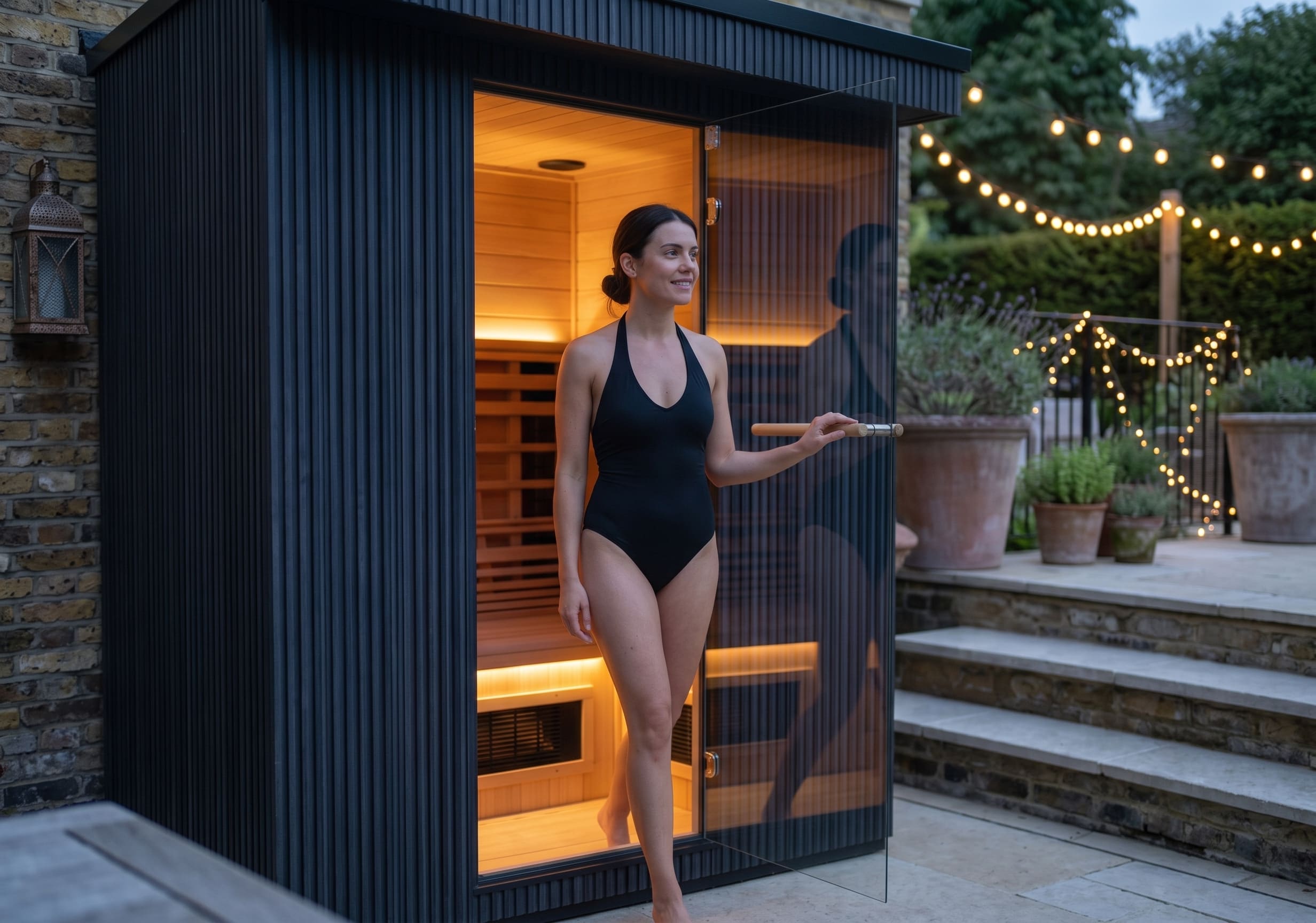
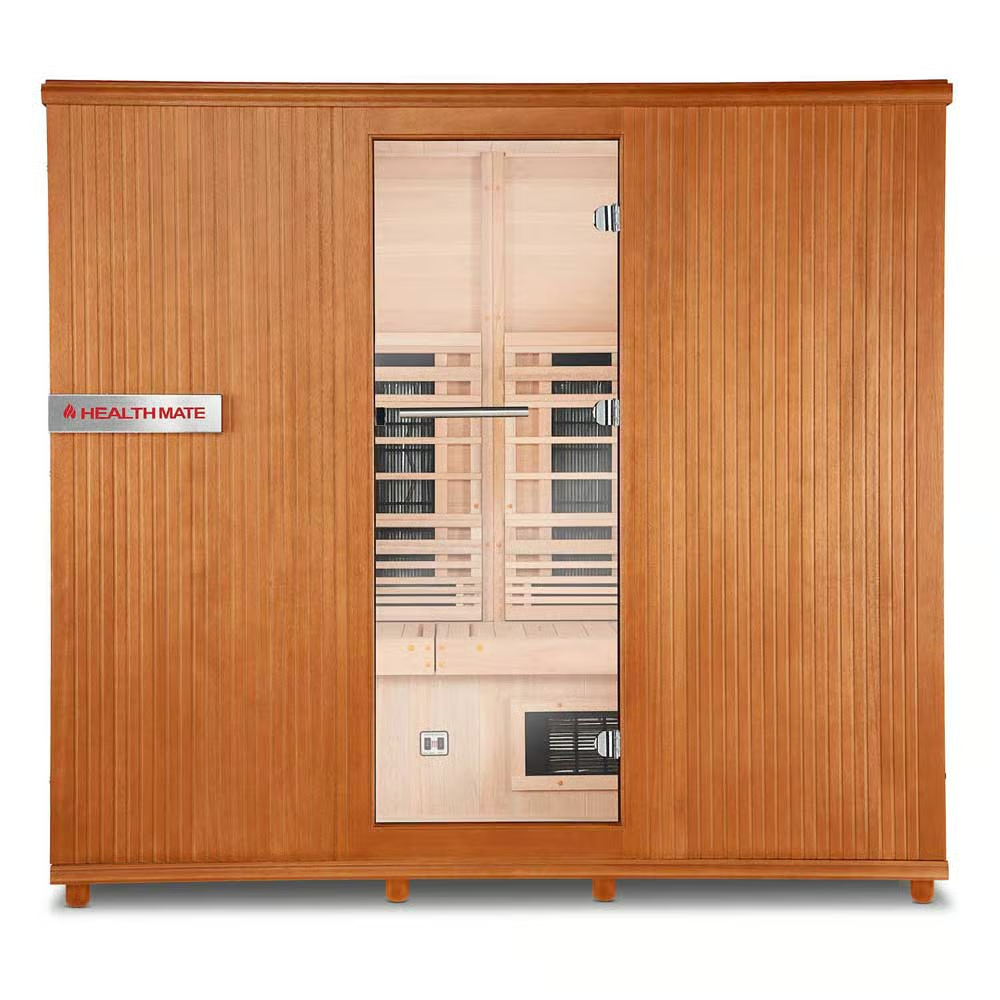
An indoor infrared sauna is protected by the house and is usually simplest to access in winter. A spare room, home gym, dressing area or insulated garage can all work when the floor is level and the electrical supply is suitable. An outdoor cabin creates a destination in the garden and can preserve valuable indoor space, but it needs a properly prepared base, weather protection and a route that installers can use safely.
What the British climate changes
Rain, wind-driven moisture, frost and rapid temperature changes make outdoor specification important in the UK. A cabin described as an indoor model should not simply be placed beneath a light canopy. The roof, external materials, seals and ventilation strategy must suit outdoor use, while the base must keep the timber clear of standing water. Ask how the warranty treats outdoor placement before ordering.
Comfort, convenience and running costs
Infrared cabins heat the user directly and generally operate at a lower air temperature than traditional hot-rock saunas. An indoor model starts from a more stable ambient temperature, while an outdoor sauna may need longer to become comfortable on a cold London morning. Convenience matters too: a cabin used three times a week is more valuable than one avoided because the route is dark, wet or exposed.
A practical decision
Choose indoor infrared saunas when easy everyday access and minimal weather exposure matter most. Explore outdoor infrared saunas when the garden setting is central to the experience and a suitable base can be prepared. In both cases, check dimensions, door clearance, power, delivery access and the manufacturer’s installation guidance before committing.
Planning a sauna for a London or UK home
For a UK installation, record the cabin footprint, height and required clearances, then measure every doorway, corridor, stair turn and gate on the delivery route. Confirm that the final position is dry, level and close to the correct electrical supply. If the cabin will sit in a garden building, ask whether the room and model meet the manufacturer’s conditions before work begins.
Ready to compare cabins? Explore Health Mate’s infrared sauna range or book a showroom or virtual appointment for practical advice on size, access and installation.
Questions worth asking before you decide
Ask which model best fits the intended number of users, how the heaters distribute warmth, what electrical work may be required and whether the quoted price includes delivery and assembly. Confirm lead time, service contacts and the written warranty. If you are comparing infrared saunas in London or elsewhere in the UK, a virtual consultation can be useful, but an in-person trial is the best way to judge seating, controls and the character of the heat.
Keep notes from each supplier and compare like with like. Product dimensions, access needs, heater layout, installation, support and total ownership cost provide a firmer basis for a decision than a single headline temperature or promotional discount. The right sauna should fit the room, suit the people using it and remain straightforward to operate and maintain.
Before placing an order, read the model documentation and write down any unanswered questions. Confirm where the cabin may be installed, how it will reach that position and who is responsible for preparing the electrical supply and base. Clear answers at this stage protect the room, the warranty and the routine you want to create.