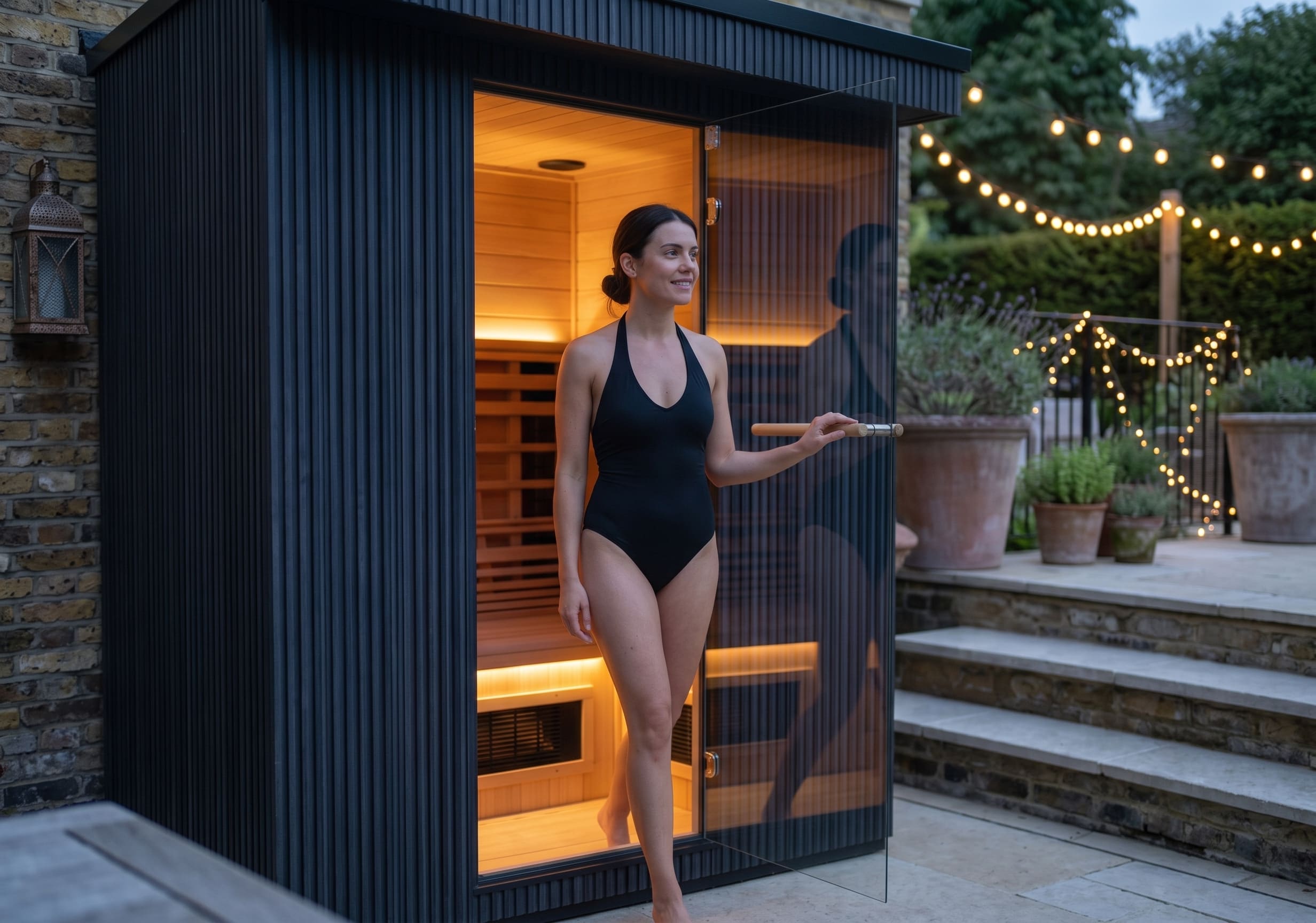
Infrared Sauna Brief History is a useful subject for anyone planning a home wellness space, comparing infrared saunas in London or researching a reliable sauna supplier elsewhere in the UK. From William Herschel’s 1800 experiment to modern home cabins, discover the brief history of infrared sauna technology. This guide focuses on practical choices, clear definitions and realistic expectations.
The discovery beyond red
In 1800, British astronomer William Herschel passed sunlight through a prism and measured the temperature of the separated colours. The thermometer placed just beyond the red part of the visible spectrum recorded the greatest warmth. His experiment demonstrated invisible radiant energy that later became known as infrared. NASA’s account of the discovery remains a useful introduction to the wider electromagnetic spectrum.
From measurement to useful heat
Infrared technology developed through spectroscopy, astronomy, thermal imaging, industry and medicine. Engineers learned that different materials emit and absorb infrared wavelengths in characteristic ways. Heating applications followed because radiant energy can transfer warmth without first raising all the surrounding air to the same temperature. This principle is familiar in sunlight, a radiant heater and the modern infrared sauna, even though the sources and intensities differ.
The home sauna evolves
Traditional sauna culture is centuries older than the infrared cabin. The modern infrared sauna combined the enclosed timber cabin with electric radiant heaters, easier controls and lower operating air temperatures. As systems improved, manufacturers focused on heater coverage, electrical design, cabin materials, comfort and reliability. The category expanded from compact personal cabins to family and commercial models.
Health Mate’s approach
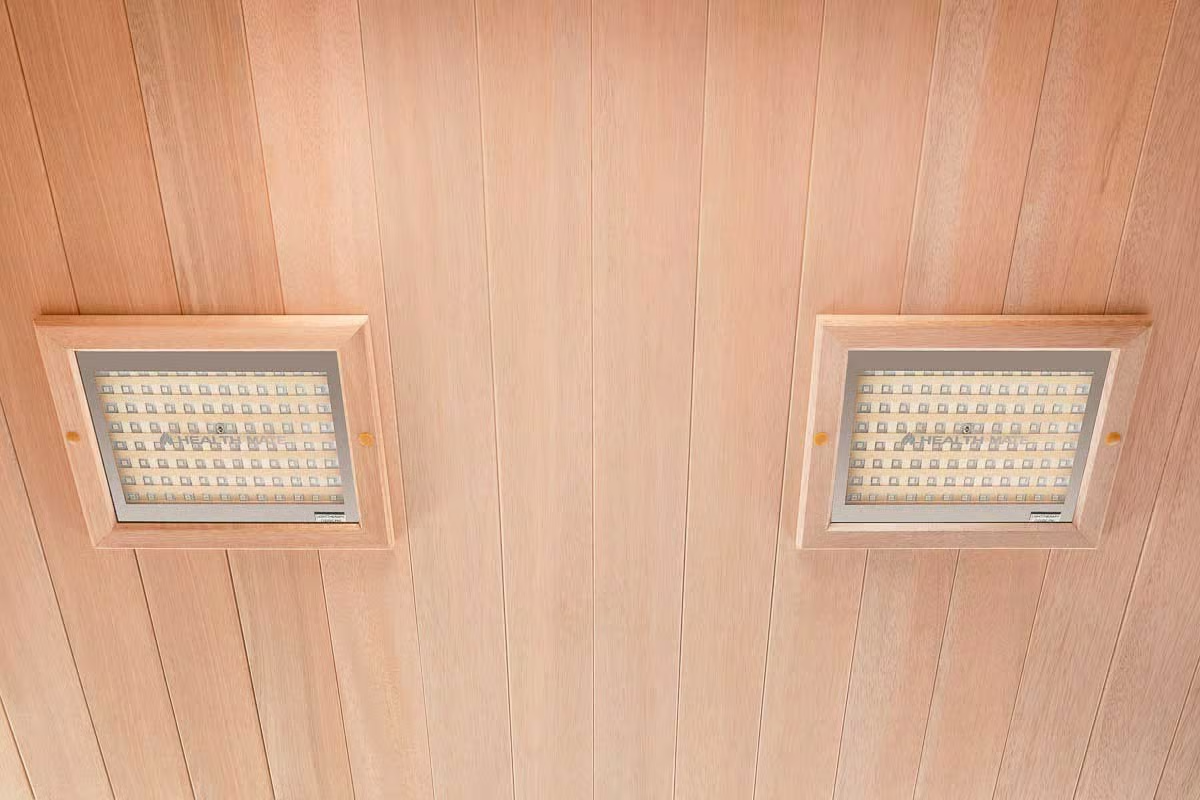
Health Mate has concentrated on purpose-built cabins and its Tecoloy infrared heater technology, rather than treating the heater as an afterthought. Today UK buyers can compare compact one-person infrared saunas, larger home models and outdoor-ready designs. The history is still developing, but the central idea remains Herschel’s observation: invisible light can carry measurable warmth.
Planning a sauna for a London or UK home
Search phrases such as infrared sauna London, home sauna UK and far infrared sauna for sale can surface hundreds of options, but location keywords do not prove local support. Verify the company, showroom, delivery area and after-sales process. A supplier that asks detailed questions about access and placement is helping to prevent an expensive mismatch.
Ready to compare cabins? Explore Health Mate’s infrared sauna range or book a showroom or virtual appointment for practical advice on size, access and installation.
Questions worth asking before you decide
Ask which model best fits the intended number of users, how the heaters distribute warmth, what electrical work may be required and whether the quoted price includes delivery and assembly. Confirm lead time, service contacts and the written warranty. If you are comparing infrared saunas in London or elsewhere in the UK, a virtual consultation can be useful, but an in-person trial is the best way to judge seating, controls and the character of the heat.
Keep notes from each supplier and compare like with like. Product dimensions, access needs, heater layout, installation, support and total ownership cost provide a firmer basis for a decision than a single headline temperature or promotional discount. The right sauna should fit the room, suit the people using it and remain straightforward to operate and maintain.
Before placing an order, read the model documentation and write down any unanswered questions. Confirm where the cabin may be installed, how it will reach that position and who is responsible for preparing the electrical supply and base. Clear answers at this stage protect the room, the warranty and the routine you want to create.