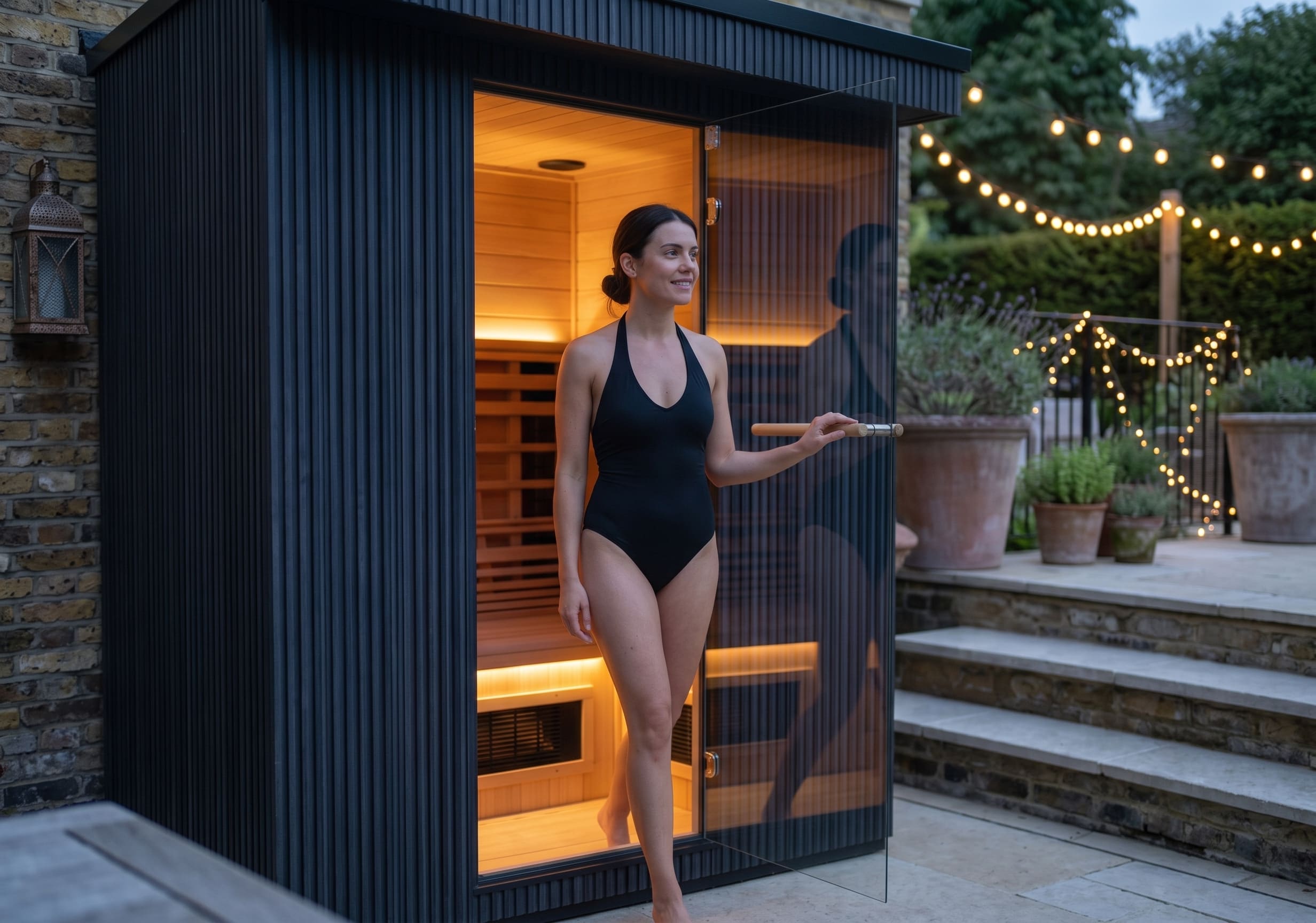
Infrared Versus Traditional Saunas is a useful subject for anyone planning a home wellness space, comparing infrared saunas in London or researching a reliable sauna supplier elsewhere in the UK. Compare infrared and traditional saunas by heat delivery, temperature, warm-up, installation, humidity and the type of experience you prefer. This guide focuses on practical choices, clear definitions and realistic expectations.
Two ways to create a sauna experience
A traditional Finnish-style sauna heats stones and the surrounding air to a high temperature; water may be added to the stones to create a brief rise in humidity. An infrared sauna uses radiant heaters to warm the user and cabin surfaces more directly. Both can feel deeply warming, but the air temperature, humidity and sensory character are different.
Temperature and warm-up
Infrared cabins normally operate at a lower air temperature than traditional saunas, which many people find comfortable for a longer, quieter session. They can also be quicker to prepare because they are not heating a large mass of stones and very hot air. Actual warm-up depends on the cabin, ambient temperature and settings, so compare manufacturer data rather than assuming one figure applies to every model.
Installation and routine
Traditional saunas may need more ventilation, heat-resistant detailing and a higher electrical load, depending on the heater. Infrared models are often practical in a spare room, gym or insulated outbuilding, though they still require a suitable floor, supply and clearances. The best choice is the one you can install correctly and use consistently.
Choose the feeling you prefer
Select traditional sauna if intense hot air, stones and optional steam are central to the ritual. Consider infrared sauna range if you prefer gentler ambient heat, radiant warmth and straightforward home operation. Try both when possible, then compare build quality, heater coverage, service and Health Mate warranty rather than relying on a single claimed benefit.
Planning a sauna for a London or UK home
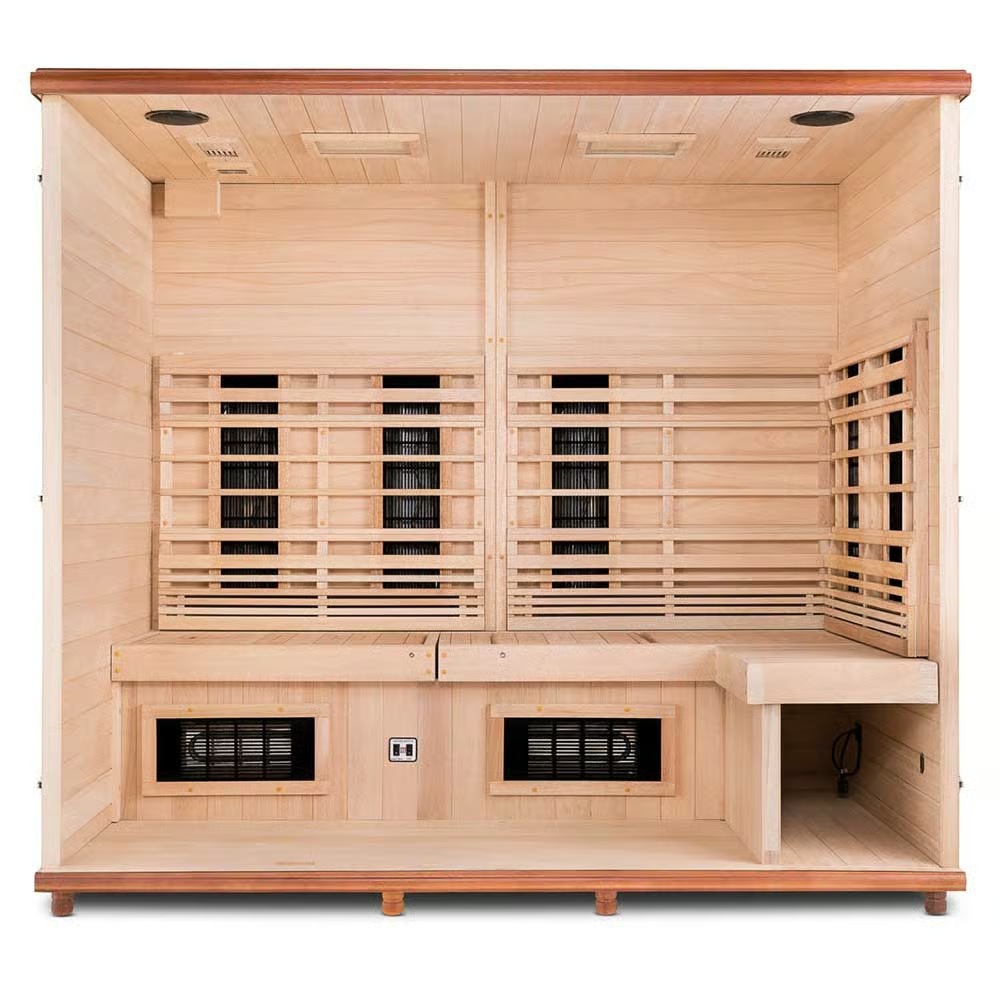
A useful shortlist compares the experience as well as the specification. Sit on the bench, operate the controls and notice where the heaters are placed relative to the back, sides and legs. Ask what is included in delivery and assembly, how support is requested and what the written warranty excludes. These details make ownership predictable.
Ready to compare cabins? Explore Health Mate’s infrared sauna range or book a showroom or virtual appointment for practical advice on size, access and installation.
Questions worth asking before you decide
Ask which model best fits the intended number of users, how the heaters distribute warmth, what electrical work may be required and whether the quoted price includes delivery and assembly. Confirm lead time, service contacts and the written warranty. If you are comparing infrared saunas in London or elsewhere in the UK, a virtual consultation can be useful, but an in-person trial is the best way to judge seating, controls and the character of the heat.
Keep notes from each supplier and compare like with like. Product dimensions, access needs, heater layout, installation, support and total ownership cost provide a firmer basis for a decision than a single headline temperature or promotional discount. The right sauna should fit the room, suit the people using it and remain straightforward to operate and maintain.
Before placing an order, read the model documentation and write down any unanswered questions. Confirm where the cabin may be installed, how it will reach that position and who is responsible for preparing the electrical supply and base. Clear answers at this stage protect the room, the warranty and the routine you want to create.