The Suns Infrared Light is a useful subject for anyone planning a home wellness space, comparing infrared saunas in London or researching a reliable sauna supplier elsewhere in the UK. Learn where infrared sits in sunlight, how it carries warmth and why an infrared sauna is controlled heat rather than a substitute for sunshine. This guide focuses on practical choices, clear definitions and realistic expectations.
Invisible energy in sunlight
Sunlight contains visible light, ultraviolet radiation and infrared radiation. We cannot see infrared, but we can detect it as radiant warmth. In 1800 William Herschel measured a temperature increase beyond the red end of a prism’s visible spectrum, demonstrating that the Sun’s light included an invisible region. Modern instruments divide infrared into wavelength bands for practical measurement.
Infrared is not ultraviolet
Infrared and ultraviolet occupy different parts of the electromagnetic spectrum and interact with matter differently. UV exposure can damage skin and increase skin-cancer risk; infrared heaters are not tanning lamps and do not produce a suntan. An infrared sauna therefore should not be described as bottled sunshine or used to replace safe daylight habits and vitamin D advice.
Why radiant warmth feels direct
Radiant energy can travel across space and be absorbed by surfaces, where it is converted to heat. That is why sunlight can feel warm even when the air is cool. An infrared sauna applies the same broad heat-transfer principle in a controlled cabin, using engineered heaters at far lower energy than the Sun and without the changing weather, glare and UV exposure of outdoor sunlight.
From astronomy to the home
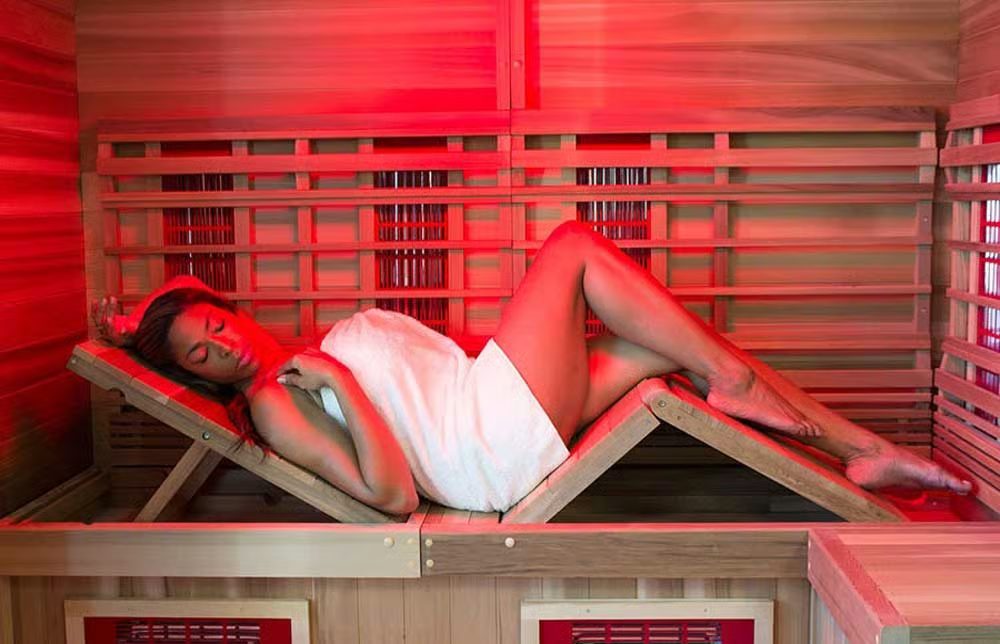
Infrared helps scientists study cool stars and dust, thermal cameras reveal temperature patterns, and engineered emitters warm people and materials. Health Mate’s Tecoloy infrared heater technology are designed specifically for seated sauna use. Explore the infrared sauna range to see how heater position, cabin materials and controls turn an invisible part of physics into a practical home routine.
Planning a sauna for a London or UK home
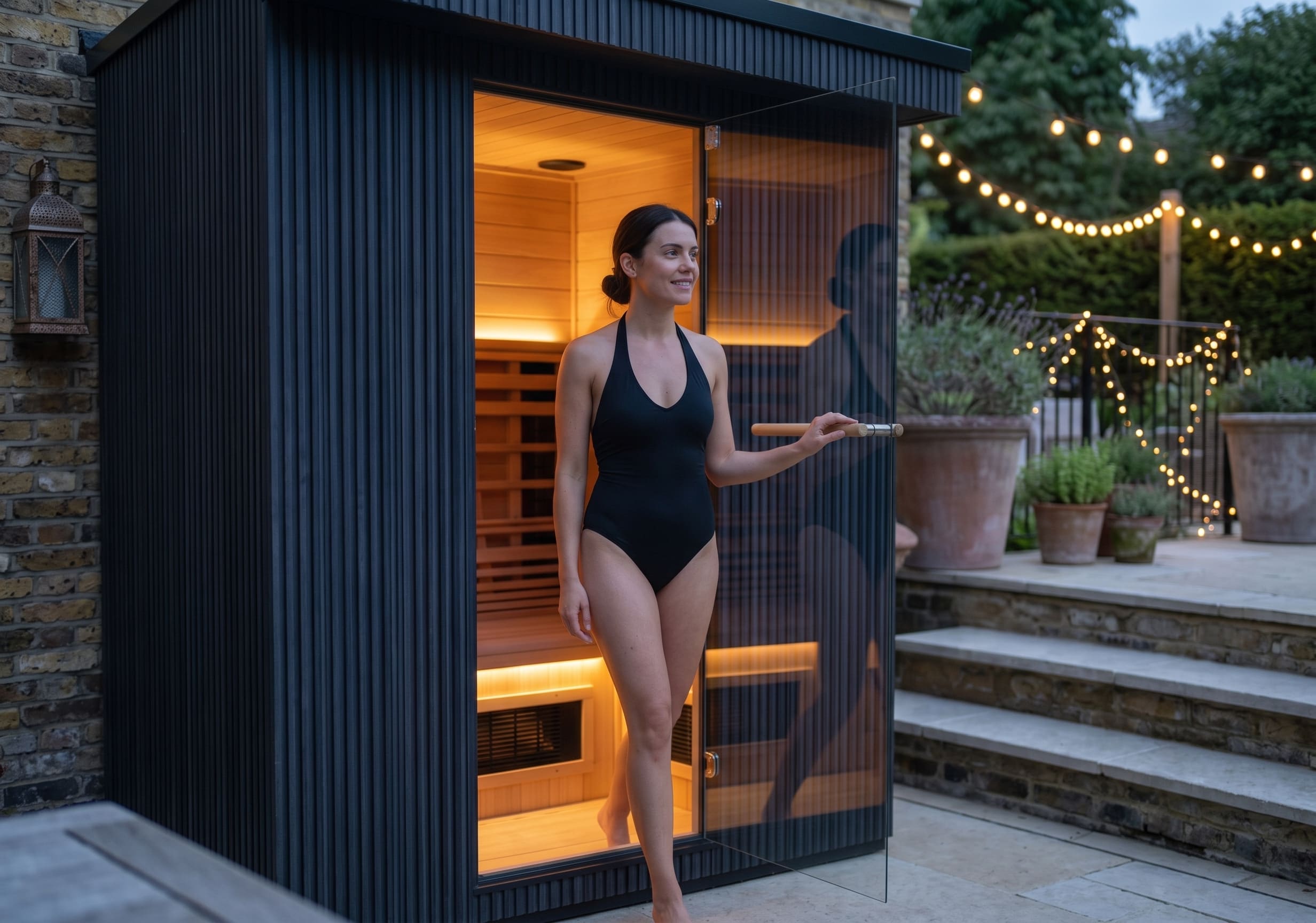
For a UK installation, record the cabin footprint, height and required clearances, then measure every doorway, corridor, stair turn and gate on the delivery route. Confirm that the final position is dry, level and close to the correct electrical supply. If the cabin will sit in a garden building, ask whether the room and model meet the manufacturer’s conditions before work begins.
Ready to compare cabins? Explore Health Mate’s infrared sauna range or book a showroom or virtual appointment for practical advice on size, access and installation.
Questions worth asking before you decide
Ask which model best fits the intended number of users, how the heaters distribute warmth, what electrical work may be required and whether the quoted price includes delivery and assembly. Confirm lead time, service contacts and the written warranty. If you are comparing infrared saunas in London or elsewhere in the UK, a virtual consultation can be useful, but an in-person trial is the best way to judge seating, controls and the character of the heat.
Keep notes from each supplier and compare like with like. Product dimensions, access needs, heater layout, installation, support and total ownership cost provide a firmer basis for a decision than a single headline temperature or promotional discount. The right sauna should fit the room, suit the people using it and remain straightforward to operate and maintain.
Before placing an order, read the model documentation and write down any unanswered questions. Confirm where the cabin may be installed, how it will reach that position and who is responsible for preparing the electrical supply and base. Clear answers at this stage protect the room, the warranty and the routine you want to create.