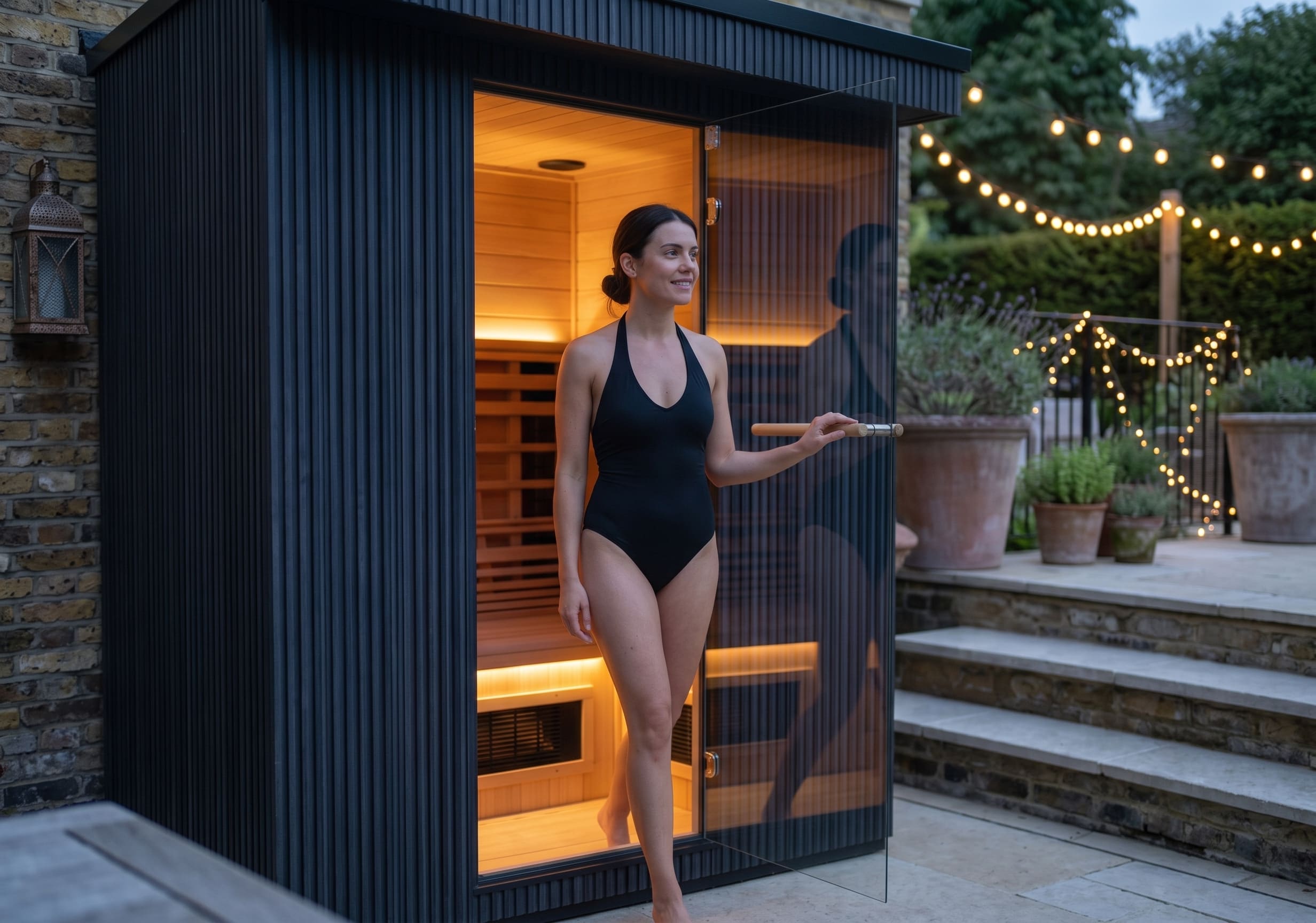
Infrared Light is a useful subject for anyone planning a home wellness space, comparing infrared saunas in London or researching a reliable sauna supplier elsewhere in the UK. A clear explanation of infrared light, wavelength bands, radiant heat and how infrared sauna heaters differ from visible and ultraviolet light. This guide focuses on practical choices, clear definitions and realistic expectations.
Beyond the visible spectrum
Infrared is electromagnetic radiation with wavelengths longer than visible red light. Human eyes cannot see it, but instruments can measure it and warm objects can emit it. Scientists commonly divide infrared into near, mid and far regions, although the exact boundaries vary between fields. Wavelength is only one part of a source’s behaviour; intensity, distance, exposure time and surrounding materials also matter.
How infrared transfers heat
When infrared energy reaches a material that absorbs it, the energy is converted into molecular motion that we experience as heat. Radiant transfer does not require direct contact and does not need to heat all the air first. This is why a radiant panel can feel warm across a room and why an infrared sauna can operate at a lower ambient temperature than a hot-rock sauna.
Everyday and scientific uses
Remote controls, thermal cameras, fibre communications, industrial drying, astronomy and heat lamps all involve parts of the infrared spectrum, but their sources and power levels differ. It is misleading to assume that every infrared device has the same purpose or biological effect. A sauna heater is engineered to provide comfortable radiant warmth over a defined seating area.
Infrared inside a sauna
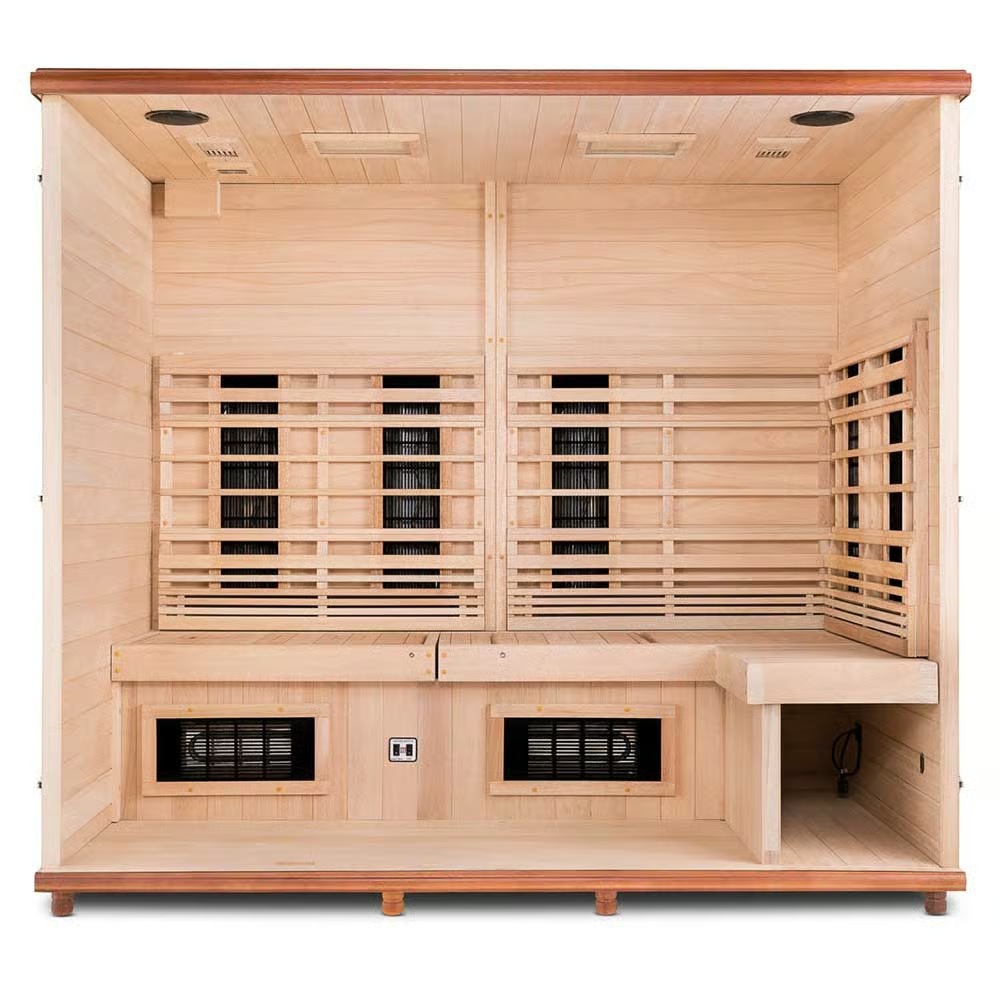
A useful cabin combines suitable emitters, thoughtful placement, safe controls and durable materials. Health Mate describes its Tecoloy infrared heater technology and integrates them around the seated body rather than treating ‘infrared’ as a magic label. Compare the infrared sauna range and try a session to understand how the physics translates into a real experience.
Planning a sauna for a London or UK home
A useful shortlist compares the experience as well as the specification. Sit on the bench, operate the controls and notice where the heaters are placed relative to the back, sides and legs. Ask what is included in delivery and assembly, how support is requested and what the written warranty excludes. These details make ownership predictable.
Ready to compare cabins? Explore Health Mate’s infrared sauna range or book a showroom or virtual appointment for practical advice on size, access and installation.
Questions worth asking before you decide
Ask which model best fits the intended number of users, how the heaters distribute warmth, what electrical work may be required and whether the quoted price includes delivery and assembly. Confirm lead time, service contacts and the written warranty. If you are comparing infrared saunas in London or elsewhere in the UK, a virtual consultation can be useful, but an in-person trial is the best way to judge seating, controls and the character of the heat.
Keep notes from each supplier and compare like with like. Product dimensions, access needs, heater layout, installation, support and total ownership cost provide a firmer basis for a decision than a single headline temperature or promotional discount. The right sauna should fit the room, suit the people using it and remain straightforward to operate and maintain.
Before placing an order, read the model documentation and write down any unanswered questions. Confirm where the cabin may be installed, how it will reach that position and who is responsible for preparing the electrical supply and base. Clear answers at this stage protect the room, the warranty and the routine you want to create.