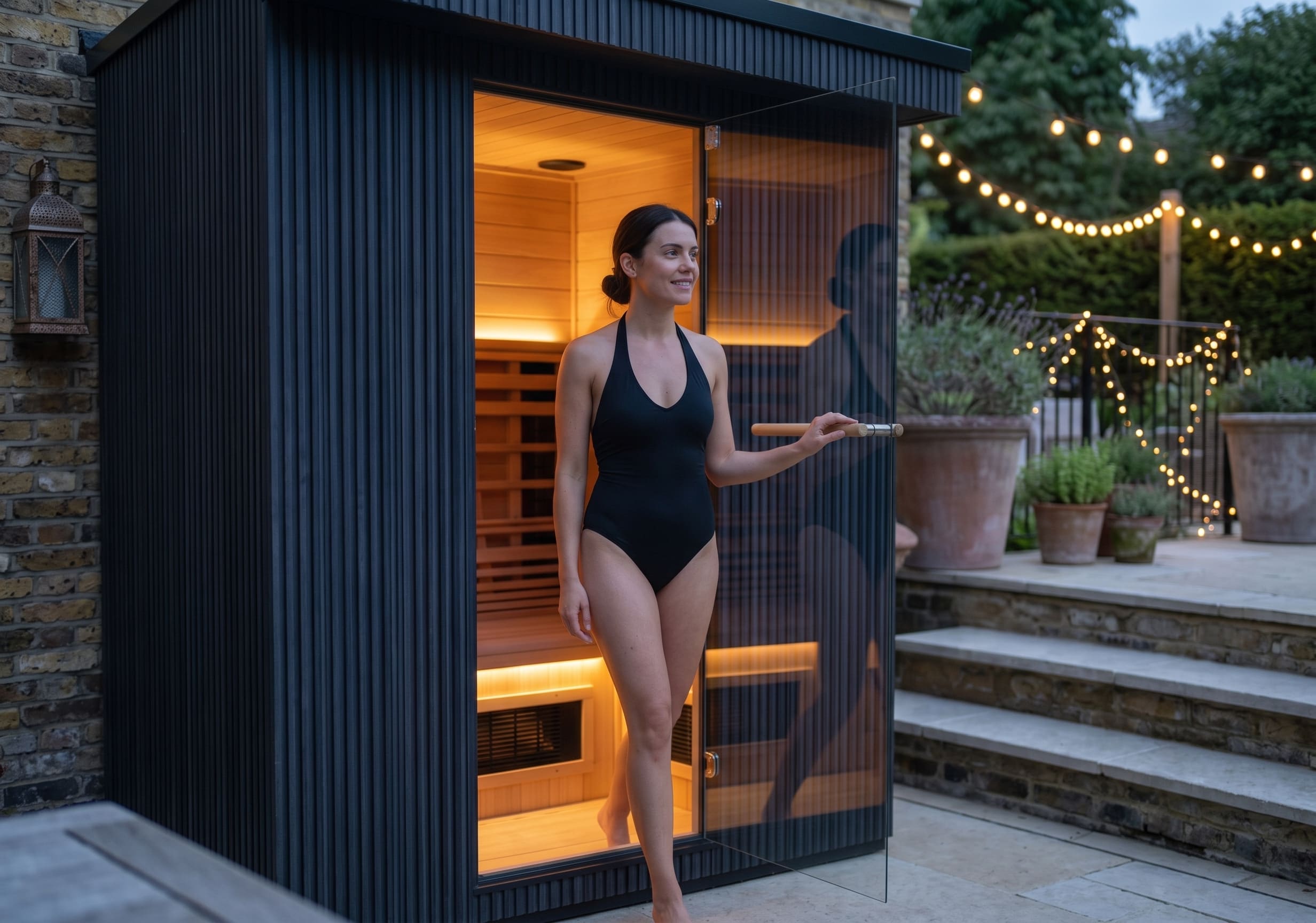
Dont Catch A Cold Grab A Sauna is a useful subject for anyone planning a home wellness space, comparing infrared saunas in London or researching a reliable sauna supplier elsewhere in the UK. Can a sauna prevent or cure a cold? Understand comfort, evidence, hydration and when rest or medical advice matters more than heat. This guide focuses on practical choices, clear definitions and realistic expectations.
Warmth can feel comforting
When the weather is cold, an infrared sauna can provide a calm, warm place to relax. That experience may feel pleasant when you are well, but feeling warm is not the same as preventing a viral infection. Colds spread through respiratory viruses, and reliable prevention still centres on hygiene, ventilation, avoiding close contact when infectious and following current public-health advice.
A sauna is not a cold cure
Sweating does not expel a cold virus, and raising the cabin temperature does not sterilise the body. Evidence is not strong enough to promise that a sauna will shorten a cold. If you have a fever, dehydration, marked fatigue, breathing difficulty or feel acutely unwell, adding heat can place extra demand on the body and is best avoided.
Protect other people
Do not share a sauna while you have infectious symptoms. Small enclosed spaces involve close contact and shared touch surfaces. Rest, drink according to thirst and return only when you are well enough for normal activity. Clean the cabin as directed, use personal towels and maintain routine ventilation. Seek medical advice for severe, persistent or concerning symptoms.
Use sauna as a wellness habit, not medicine
When healthy, a session in one of the infrared sauna range can be an enjoyable part of a winter routine. Start conservatively, avoid alcohol and stop if you feel dizzy or unwell. The value is relaxation and controlled warmth—not a promise to prevent illness. For model-specific use, consult the infrared sauna FAQs and owner’s manual.
Planning a sauna for a London or UK home
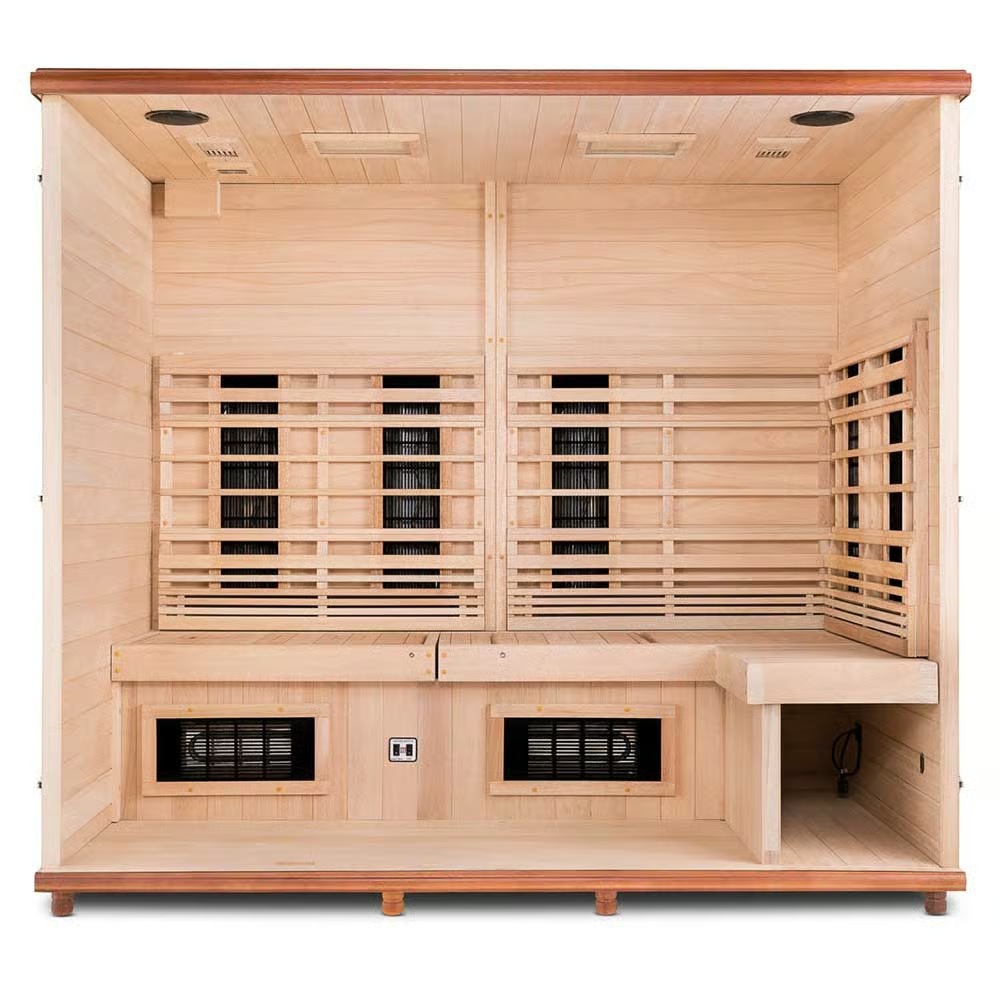
A useful shortlist compares the experience as well as the specification. Sit on the bench, operate the controls and notice where the heaters are placed relative to the back, sides and legs. Ask what is included in delivery and assembly, how support is requested and what the written warranty excludes. These details make ownership predictable.
This article provides general information, not medical advice. Sauna use is not a treatment or cure. If you are pregnant, unwell, taking medication affected by heat or fluid balance, or living with a medical condition, ask a qualified healthcare professional for advice tailored to you.
Ready to compare cabins? Explore Health Mate’s infrared sauna range or book a showroom or virtual appointment for practical advice on size, access and installation.
Questions worth asking before you decide
Ask which model best fits the intended number of users, how the heaters distribute warmth, what electrical work may be required and whether the quoted price includes delivery and assembly. Confirm lead time, service contacts and the written warranty. If you are comparing infrared saunas in London or elsewhere in the UK, a virtual consultation can be useful, but an in-person trial is the best way to judge seating, controls and the character of the heat.
Keep notes from each supplier and compare like with like. Product dimensions, access needs, heater layout, installation, support and total ownership cost provide a firmer basis for a decision than a single headline temperature or promotional discount. The right sauna should fit the room, suit the people using it and remain straightforward to operate and maintain.
Before placing an order, read the model documentation and write down any unanswered questions. Confirm where the cabin may be installed, how it will reach that position and who is responsible for preparing the electrical supply and base. Clear answers at this stage protect the room, the warranty and the routine you want to create.